
Chandler sits within the bright arc of the Phoenix metropolitan light dome, where urban glow often obscures the cosmic wonders overhead. Still, the city’s convenient location places it within driving distance of desert parks, community observatories, and higher-elevation destinations that offer clearer night-sky visibility. This guide highlights nearby stargazing locations, practical planning tips, gear recommendations, and local astronomy resource guidance to help you make the most of a night under the stars.
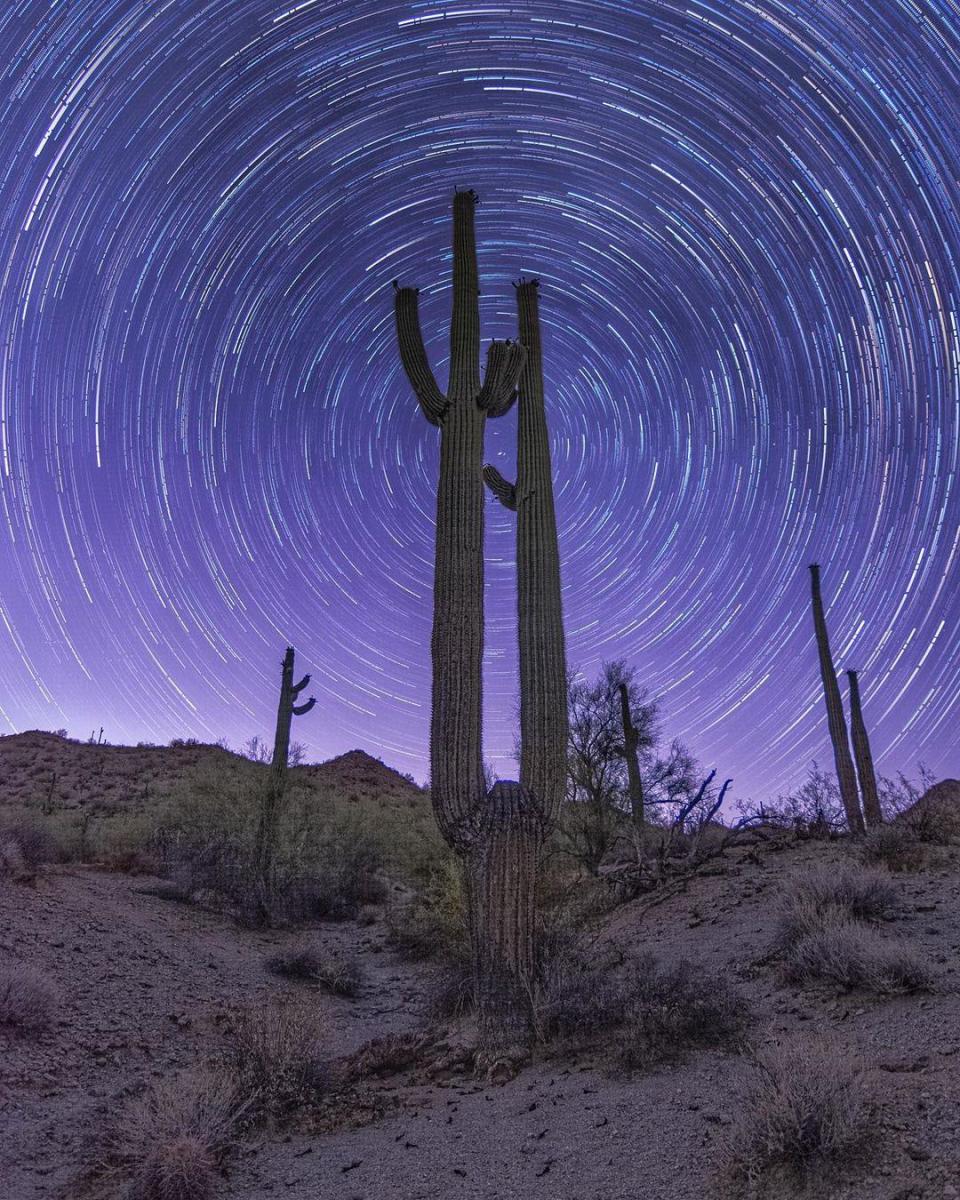
Top Nearby Stargazing Spots
San Tan Mountain Regional Park
Located southeast of Chandler, San Tan Mountain Regional Park spans thousands of acres of open Sonoran Desert terrain. The park’s undeveloped landscape, higher elevation, and clear air provide noticeably better evening sky visibility than nearby urban neighborhoods. Stargazing here benefits from reduced light pollution, allowing stars and brighter planets to become visible once darkness falls.
Arriving before dusk allows you to settle in comfortably, orient to the landscape, and take advantage of quieter areas away from road lighting. The setting delivers a calm atmosphere well-suited for casual stargazing and night photography near the city.
Veterans Oasis Park
Set within Chandler’s southeast side, Veterans Oasis Park offers one of the city’s most accessible stargazing experiences. Wide‑open fields and minimal lighting create relatively favorable conditions for an in‑town location, and the park regularly hosts public night‑sky events featuring telescopes and guided viewing sessions led by local astronomy groups. These gatherings highlight planets, star clusters, and bright seasonal objects, making the park a convenient option for beginners, families, and anyone wanting an easy stargazing outing close to home.
McDowell Mountain Regional Park
From Chandler, McDowell Mountain Regional Park sits far enough northeast of the Valley’s brightest light concentrations to offer noticeably darker skies, making it easier to spot constellations and track planetary movement. This location is great for visitors who prefer self-guided stargazing and enjoy bringing their own equipment and finding a quiet picnic or camping area. The setting provides space, silence, and a stronger sense of night-sky immersion than most urban parks.
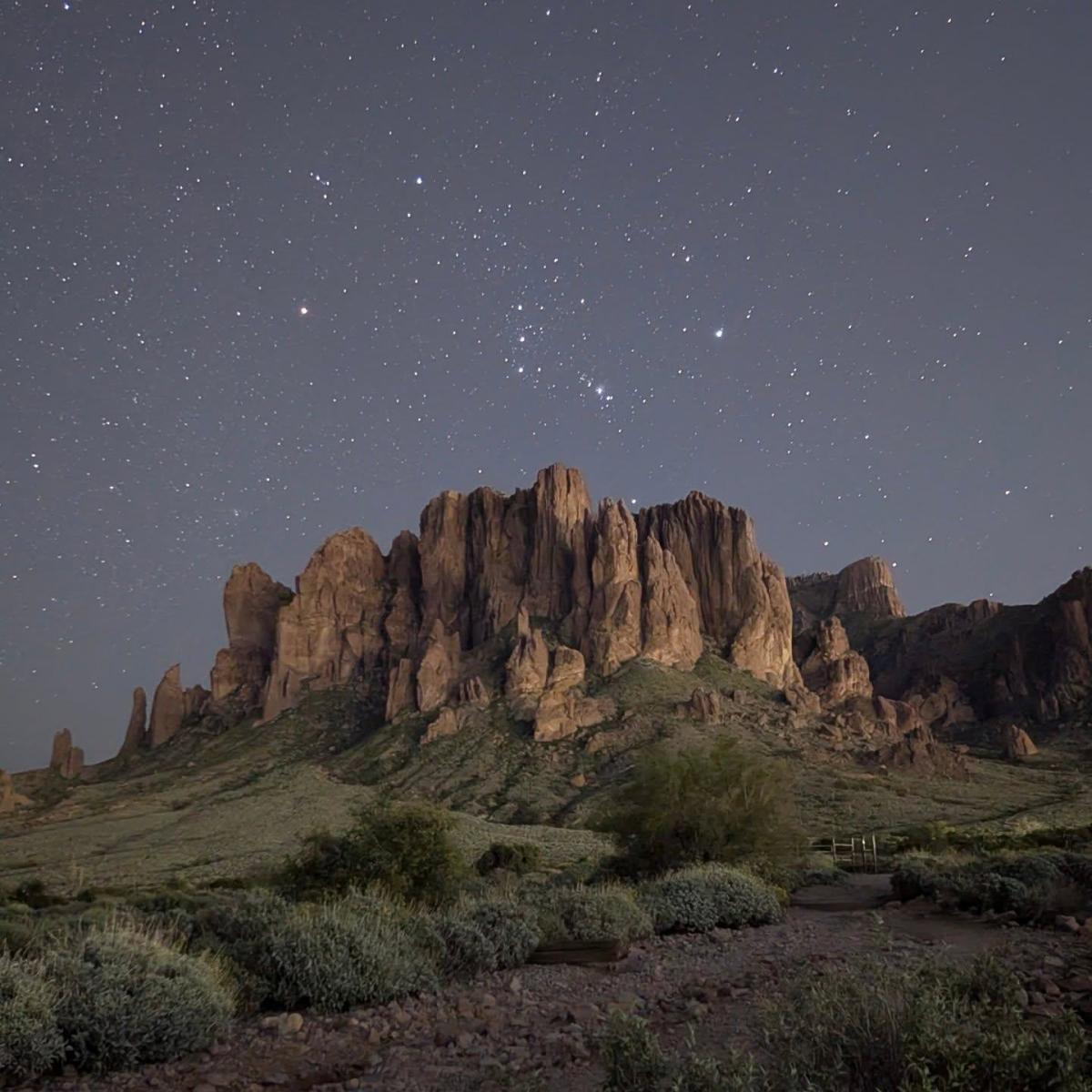
Lost Dutchman State Park
In the northeast of Chandler near Apache Junction, Lost Dutchman State Park offers some of the darkest skies within a short drive of the East Valley. Positioned at the base of the Superstition Mountains, the park’s openness and reduced light pollution create favorable conditions for spotting constellations, bright planets, and seasonal celestial events. Arriving before nightfall allows time to explore the surrounding desert landscape.
Riparian Preserve at Water Ranch & Gilbert Rotary Centennial Observatory
The Riparian Preserve at Water Ranch in nearby Gilbert pairs wetlands, trails, and wildlife habitat with one of the East Valley’s most accessible astronomy experiences. On select evenings, the Gilbert Rotary Centennial Observatory opens for public viewing sessions. On these nights, volunteer astronomers set up additional telescopes and answer any questions attendees may have.
This is an ideal option for beginners or families who want a heightened stargazing experience without traveling far. Arrive before sunset to enjoy the preserve’s paths, then stay for evening telescope viewing and informal astronomy education.
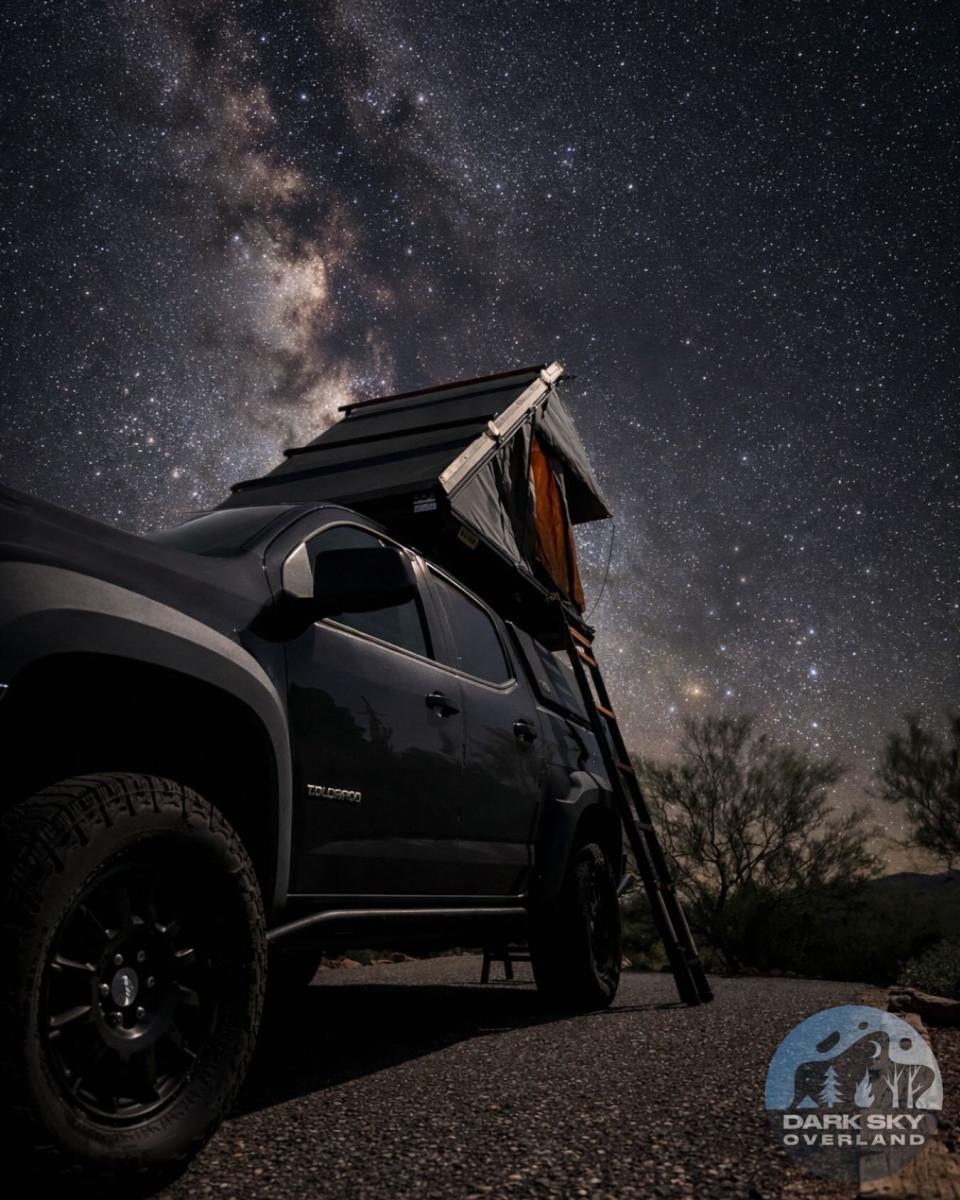
Worth-the-Drive Dark-Sky Destinations
Oracle State Park
For travelers willing to venture farther, Oracle State Park offers significantly darker skies than locations closer to the Valley. An officially designated International Dark Sky Park, Oracle State’s remote setting and minimal surrounding development create conditions well suited for Milky Way viewing, constellation spotting, and astrophotography.
The park hosts astronomy-focused programs and star parties on select dates, centered on dark-sky conditions and educational context. Planning ensures your visit aligns with these public viewing opportunities.
Flagstaff & Lowell Observatory
Recognized as the world’s first International Dark Sky City, Flagstaff stands as one of the country’s most respected dark-sky destinations, thanks to long-standing lighting protections, low humidity, and higher elevation. The city itself offers enhanced night-sky visibility, while the surrounding areas provide even darker conditions.
Flagstaff is home to Lowell Observatory, adding a structured astronomy experience that combines historic significance with modern research facilities and public telescope viewing. Visitors can explore exhibits, take tours, and observe celestial objects through multiple telescopes. All of this creates an ideal destination for anyone drawn to both science and stargazing.
Tips for a Great Stargazing Experience
Timing matters. Plan outings around the new moon for darker skies and better visibility of faint stars. Clear weather is essential, so check forecasts and cloud cover before heading out. Reaching your spot before full darkness allows your eyes to adjust and gives you time to set up your gear safely.
Reducing light interference makes a noticeable difference. Use a red-hued flashlight instead of white light and position yourself away from vehicle headlights or facility lighting whenever possible. Limit phone light and screen use to essential moments only, keeping brightness as low and brief as possible. If you need your phone for navigation or reference, rely on a stargazing app; its low‑light interface can help you identify constellations and track celestial objects without disrupting your night vision.
A pair of binoculars or a basic telescope enhances views of planets, star clusters, and the moon without requiring advanced setup. For photography, a DSLR or mirrorless camera and a sturdy tripod support sharper, longer‑exposure shots.
Comfort can shape your experience just as much as equipment. Pack a thermos with warm beverages, bring a few easy snacks, and dress in layers to stay warm; desert temperatures often drop quickly after sunset, even on mild days. A blanket or portable seat can make longer viewing sessions more enjoyable, and at higher‑elevation locations like Flagstaff, additional insulation is essential.
Events, Clubs, & Local Astronomy Resources
Local astronomy groups and community observatories host public viewing nights, telescope sessions, and educational programs throughout the year. Checking regional astronomy club calendars and observatory schedules helps align your visit with guided stargazing opportunities and seasonal events.
Plan Your Night Under the Stars
From nearby desert parks to world-class observatories, Chandler’s location makes it easy to explore Arizona’s night skies. Whether you start with a short evening outing or plan a dedicated dark-sky trip, the region delivers rewarding stargazing experiences year-round. Start mapping out your visit today and see where the stars lead you.